1
2
3
4
5
6

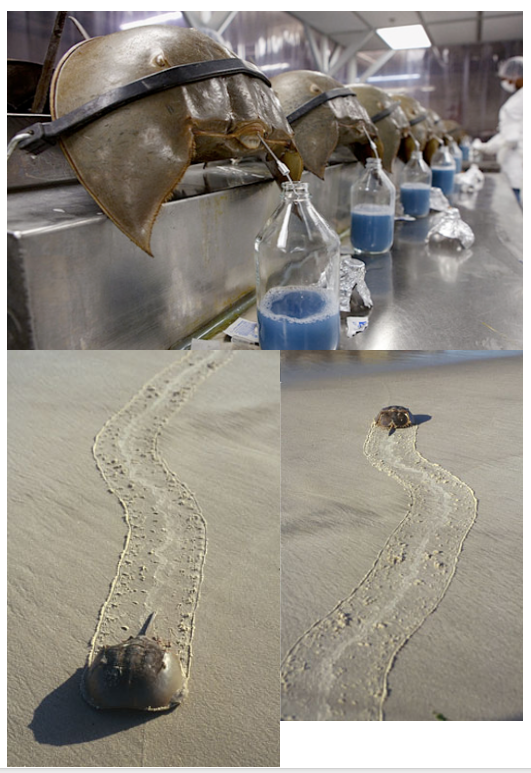
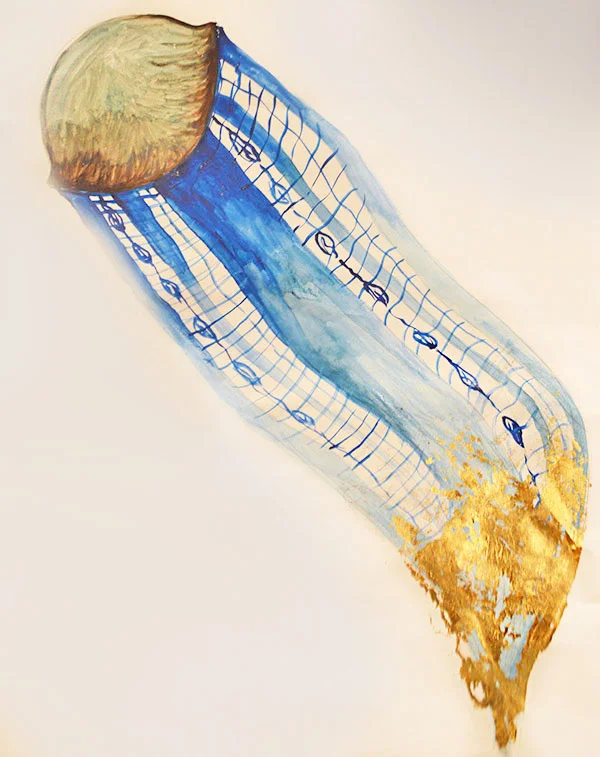
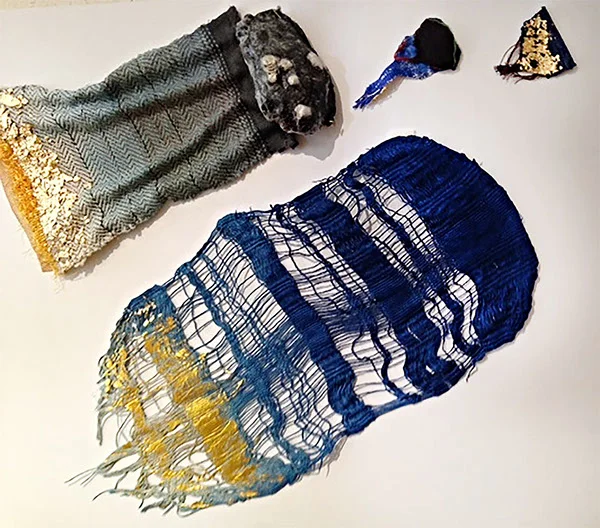
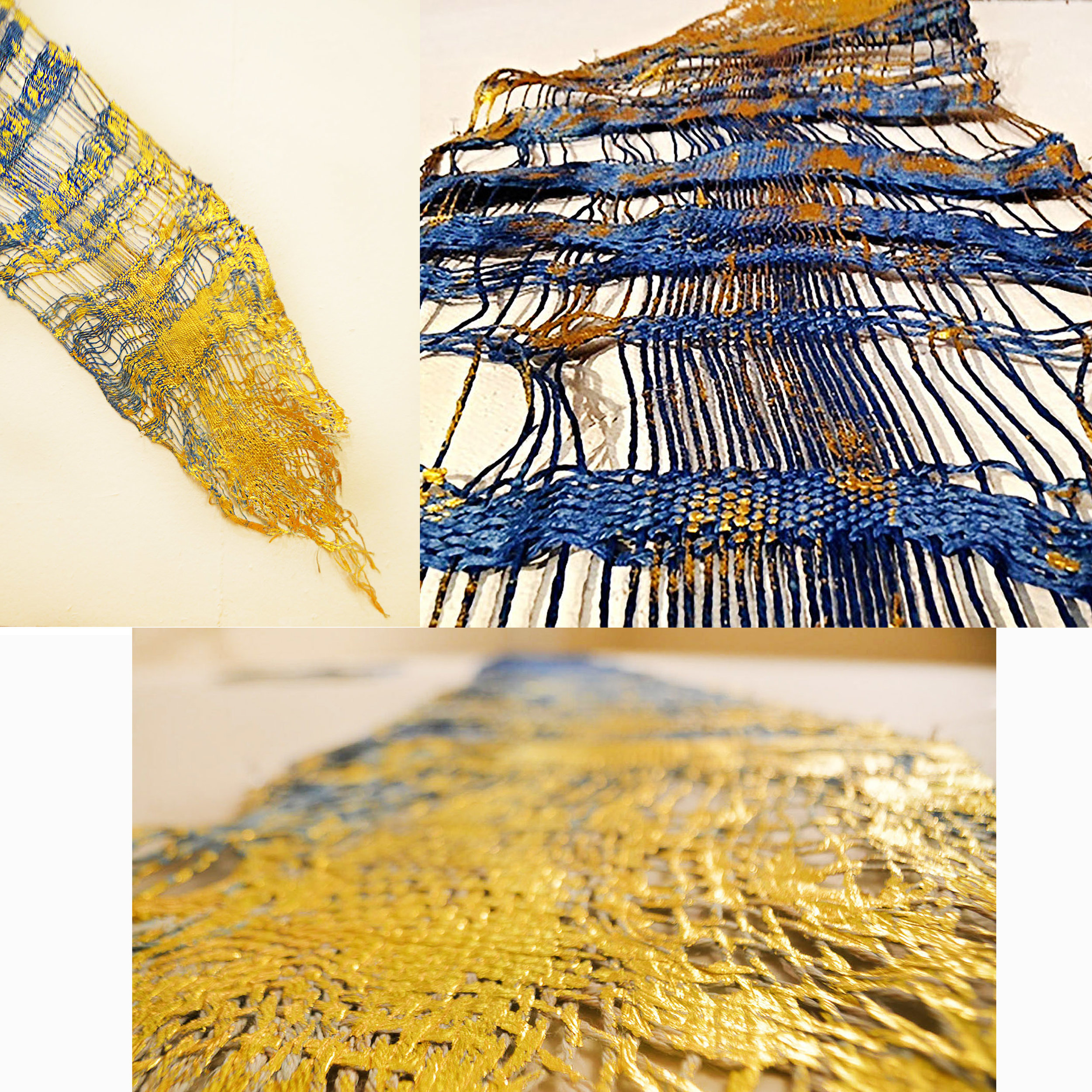
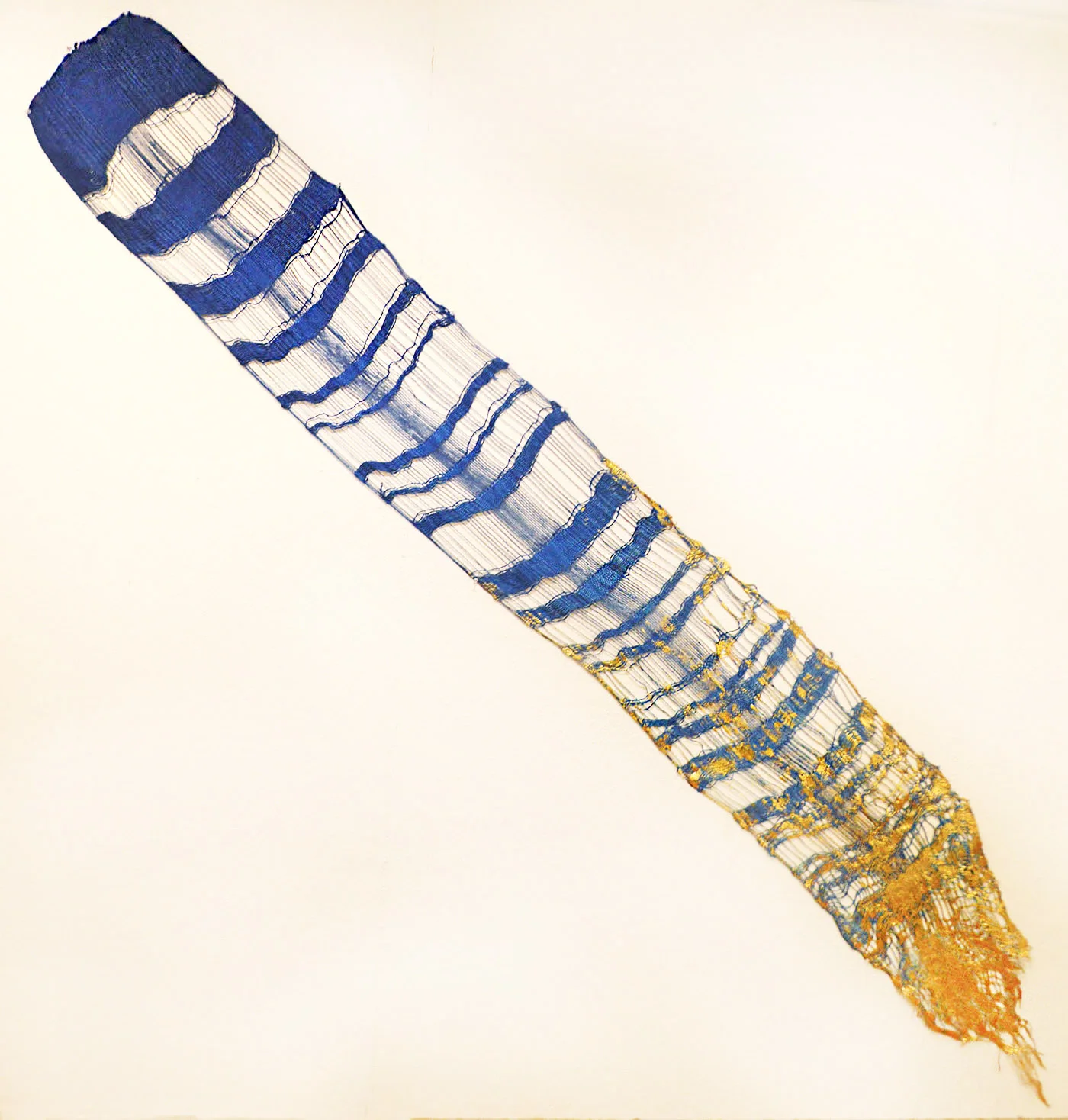
Some of my works have been inspired by the beauty of the ocean and ocean creatures. In the first piece, I created a 9 foot handwoven, dipped dye representation of a horseshoe crab. I developed an interest, as I discovered they have blue blood and are prehistoric looking creatures that resemble pith helmets that roam around on the bottom of the ocean. Horseshoe crabs only come to the shore to spawn twice a year during the full moon. These creatures are harmless survivors, nearly 60,000 years old, like living fossils. They can live up to 60 years and they have no immune system. They have blood rich with copper and antibodies which kills any infection right away. The political aspect I wanted to bring to the piece was the fact that the FDA catches horseshoe crabs and drain 30% of their brilliantly blue copper blood as a final test for vaccines. (to rid them of bacteria) They are then let back into the ocean as they are not allowed to kill them, yet some don't survive this act. The first couple of smaller pieces are experiments and idea explorations for my main topic. I created this piece from linen thread donated by the Lenore Tawney foundation to RISD. I was lucky enough to use this beautiful natural fiber. I wove the piece long and spaced apart, like the tracks the horseshoe crabs create when they crawl across the sandy shorelines. It was then dip dyed a blue gradient, the darkest being the head. I then used a heat press to transfer a gold foil trail on the bottom of the piece representing how precious this blue blood is to human vaccines. This is a creature of nonviolence, used to save human lives. This goes unnoticed by most human beings. I am a large supporter of animal rights, environmental activism, and eco textiles.
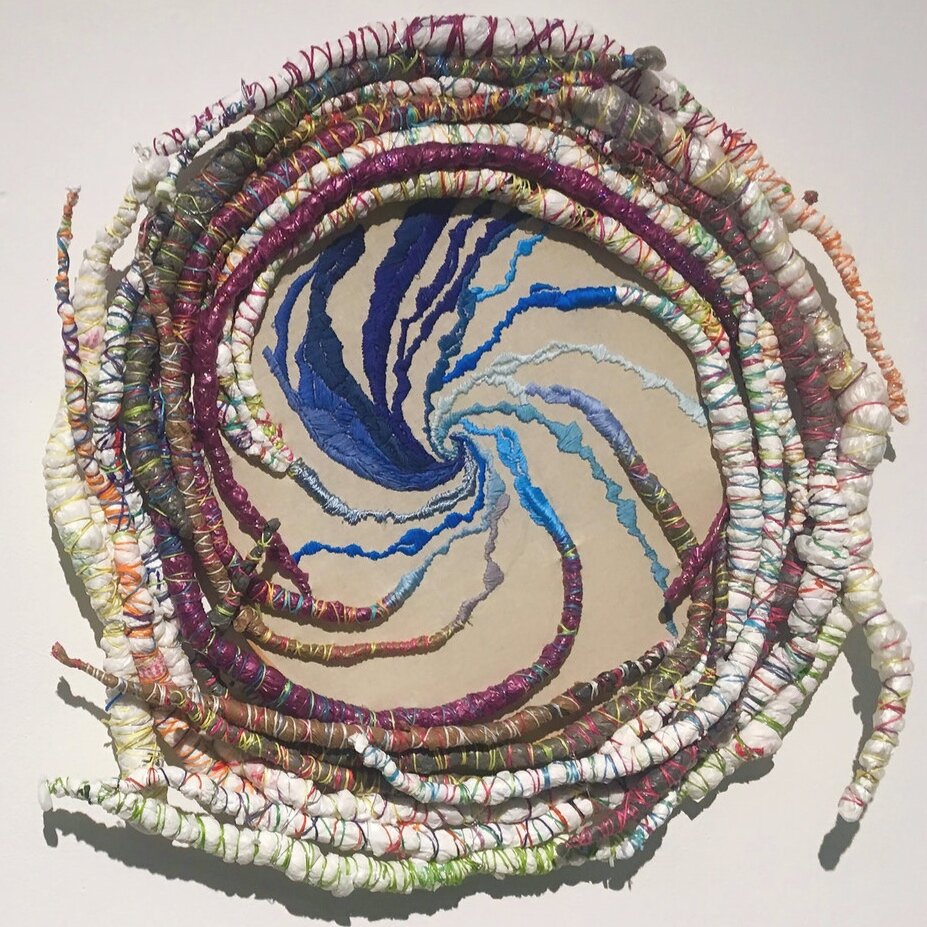
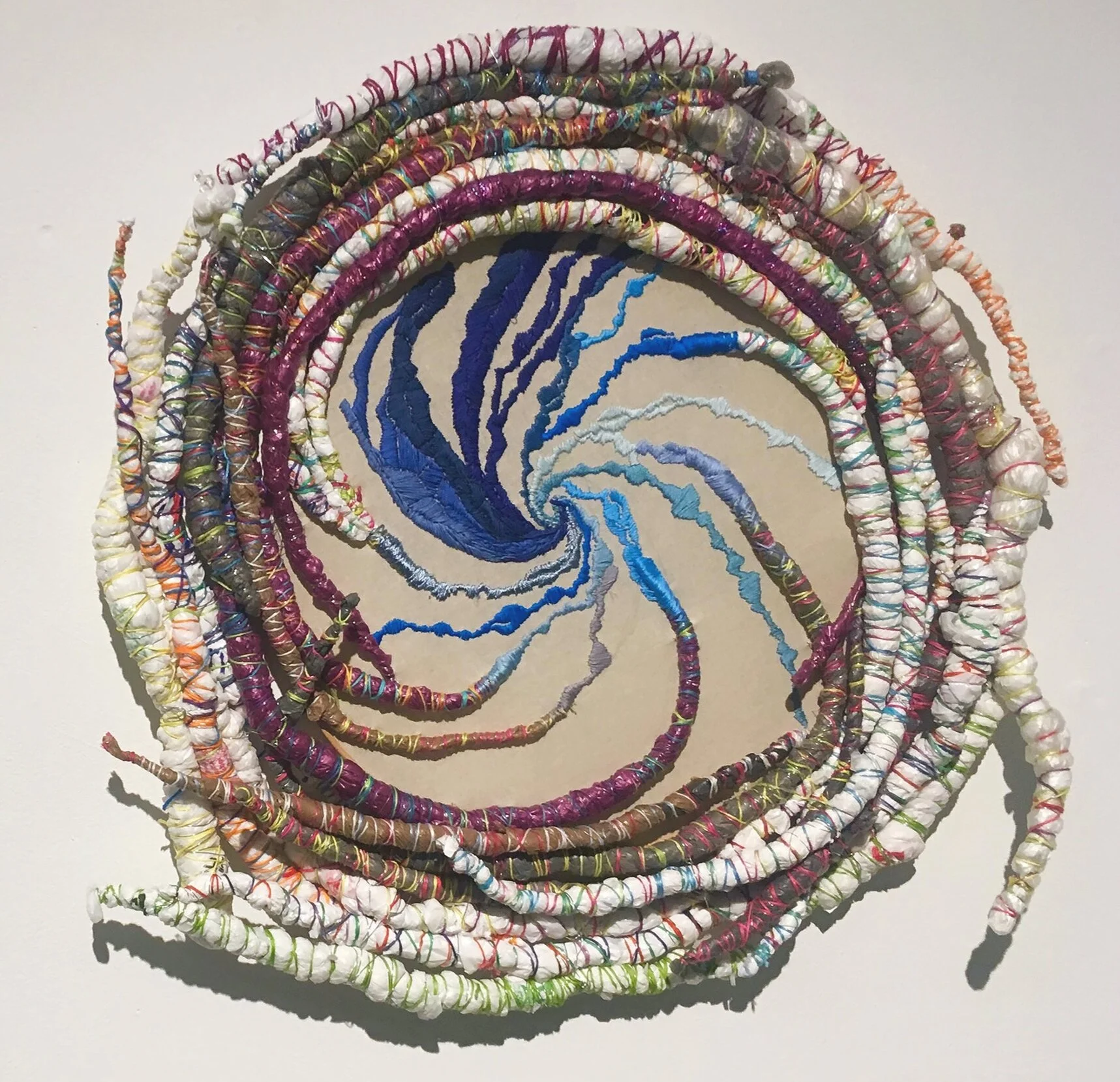
My second piece is an embroidered piece mixed with plastic based on the great pacific garbage patch. Scientists have confirmed there are 5 garbage patches across the world’s oceans where trash, mostly tiny pieces of plastic, accumulate as ocean currents come together in a gyre. Modeled after one of the 5 gyres, this piece addresses the eternal motion of our plastic consumption and the final stage of consumption: ocean landfill. The largest garbage patch is made up of about 7 million tons of mostly floating plastic waste, most of which is no larger than 10mm across, similar in size to plankton that the fish eat. Larger pieces of plastic in the ocean eventually breakdown from the sunlight they are exposed to into smaller and smaller pieces, but it does not ever go away completely. In my piece, I engaged my student body by asking the community to release their daily plastic bag consumption to me, instead of to the trash. I collected more than 100 bags and used them in this piece. I also incorporated hand embroidery - a slow and tedious process - which contrasts to the fast consumption and collection of the areas with the plastic bags.